
wood
Importing timber into Thailand
Arrow Wood Hua Hin: A source of high-quality wood delivered to your hands instantly
Looking for good quality wood quickly? We have 500 m³ of premium grade wood in stock, ready to be shipped to you immediately. No need to wait long. This large amount of stock ensures that all your project needs can be met quickly, allowing you to continue your work without interruption.
Whether you're a mechanic, contractor, or someone who likes DIY woodworking, at Arrow Wood we have a wide range of woods in all sizes to suit your needs. Our experienced team is ready to advise you on choosing the best wood for the job. We intend to provide you with both good wood and attentive service.
Don't let your work get stalled! Contact Arrow Wood Hua Hin today We are ready to provide the wood you need. Check out our wood stock here or call to talk first. If you want to know what we have, stop by or ask us for details of your project.
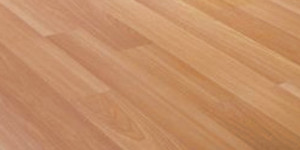
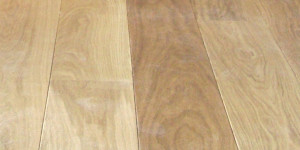
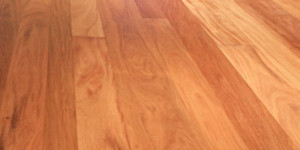
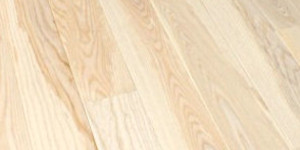
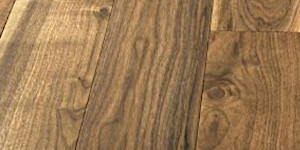

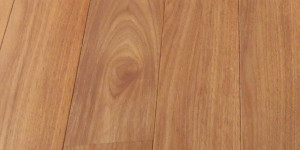
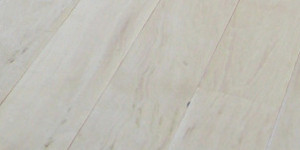
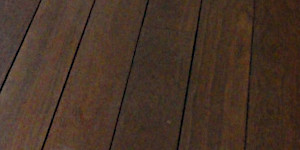
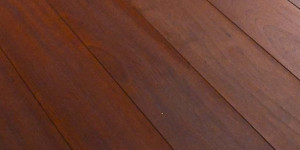
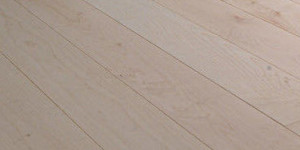
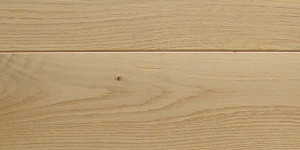
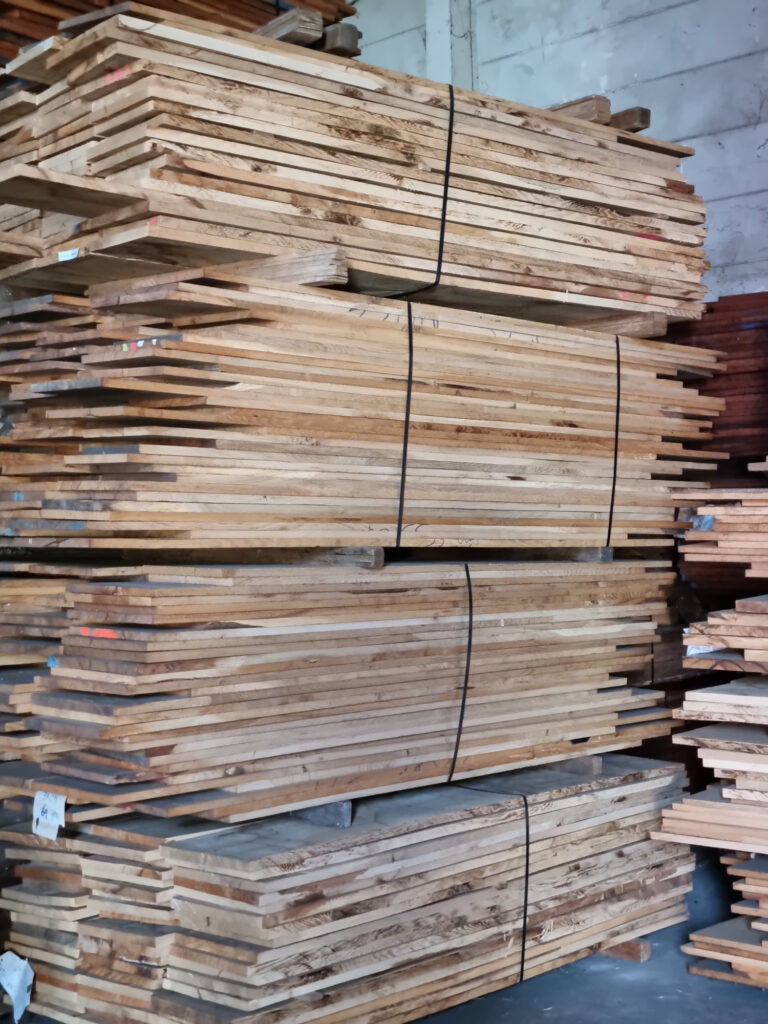
Raw oak
Oak from France and South Germany: beauty from nature and craftsmanship
Oak from France and southern Germany is known for its extreme beauty, which doesn't come by accident, but from a combination of environments, species, and good forest care.
Environment and air: This area has everything an oak tree needs. The weather is good. It rained moderately, and the sun was not broken. The resulting wood grain is firm and sharp, which is the hallmark of good oak.
Special wood species: Main oak Here are Sessile Oak (Quercus petraea) and Pedunculate Oak (Quercus robur), these two are strong, durable, and have a very beautiful wood grain, especially Sessile Oak, which is loved by many people because the pattern is finer and the knots are less, which is suitable for jobs that require neatness.
Sustainable Forest Care: France and southern Germany have long taken care of the forest with great care. Most trees are cut when they are mature (around 150-200 years old) to achieve a full size, firmness, and beautiful pattern. He also chooses to cut only the trees that are ready, helping other trees grow well and straight.
Traditional craftsmanship: The beauty of oak here is not only nature, but the artisans also play a part. A good sawyer will choose to cut the logs to make the most beautiful patterns, and they will dry them naturally for years. This method allows the wood to gradually dry out, and the color and grain become clearer in style.
Oak wood from this area is not just ordinary wood, but wood produced by nature mixed with man-made wood. Who wants beautiful quality wood? Look for wood from France or South Germany. Guarantee not to be disappointed!
White maple wood
White maple: an extraordinary beauty from Germany
Although the term "white maple" can refer to many types of maple, when it comes to wood from Germany, most of them refer to: European Sycamore maple (Acer pseudoplatanus) Let's take a look at why this stick is so special:
Eye-catching bright white: Unlike some types of maple, it may be slightly yellow or gray. European Sycamore maple wood is almost entirely white, making people like to use it for work that wants a clean and modern look, or to dye it to the desired tone.
Fine smooth wood: This wood has a tight grain pattern. The wood is super fine, so the surface is smooth, which is very suitable for jobs that require attention to detail, such as difficult carvings or high-grade furniture that requires a flawless finish.
Easy to use: European Psycamore maple wood is easy to cut both by hand and by machine. Cut and sharp, and paint or coat anything sticks. So carpenters like each other very much because they work smoothly and without interruption.
Robust and Durable: Although it is not as hard as other types of maple, it is still hard enough, and the important thing is that it has good stability. The work I got was endured. Can be used for a long time with peace of mind.
Applicable pros: With these outstanding features, White maple wood from Germany, so you can use it for anything. Whether it's furniture, Wooden floors, musical instruments. Thin veneer or even kitchen utensils are called all in one.
European Sycamore maple wood from Germany is a beautiful and good choice. If you want a smooth white wood to make cool things, try to find this one. Guarantee not to be disappointed!
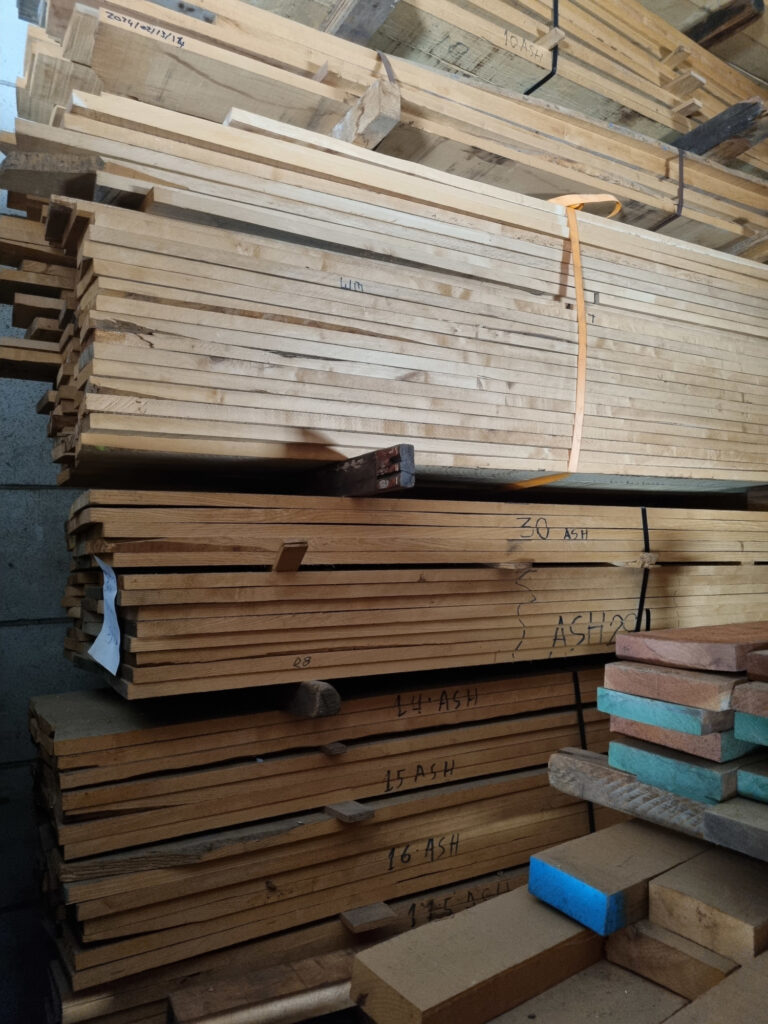

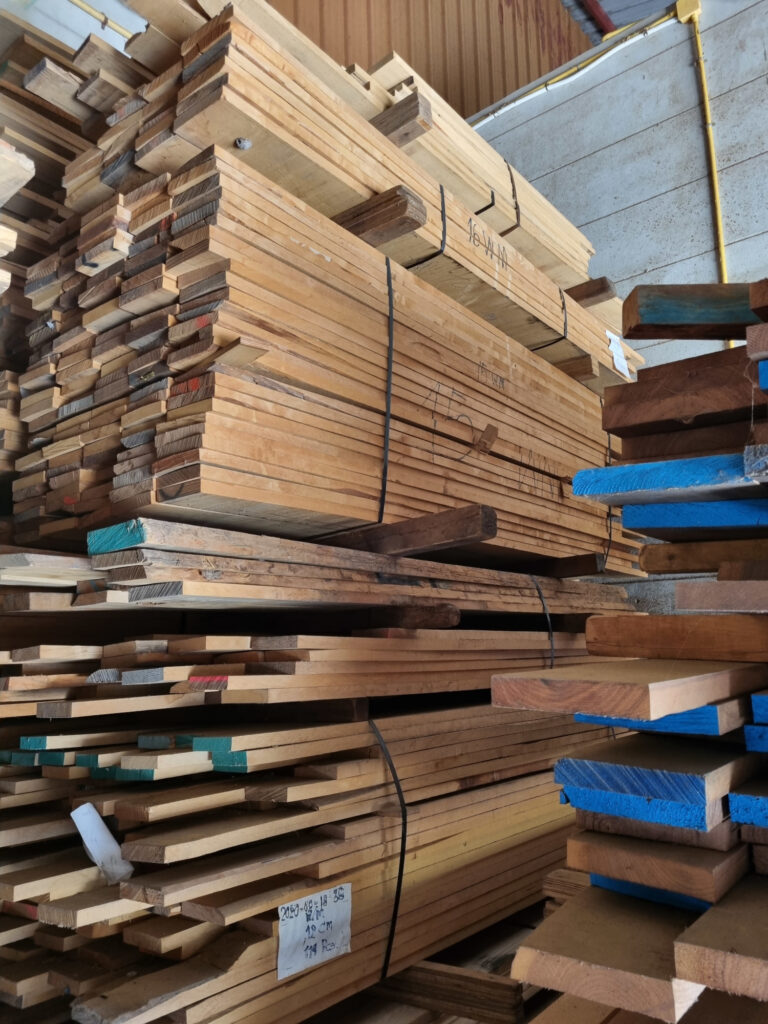
Ash wood, raw wood
European ash wood is a great choice for any woodworking because it combines strength, ease of use, and aesthetics flawlessly. This hardwood is both tough and flexible, with high density, making it suitable for making furniture. It is also resistant to impact and bending, so it is often seen in sports equipment.
Even though it is hard, ash wood is super easy to use. Put nails or screws on it and it is tight, and the surface is smooth and smooth after polishing, and it accepts dyes or coatings beautifully and evenly. You can adjust whatever design you want.
The color and wood grain are second to none. Ash wood comes in a light tone, cream color, clear wood grain. Some people call it "cracked", which gives it a unique sense of style. Add a cool touch to your work in both classic and modern styles.
European ash wood is called really good, whether it is made furniture. Wooden floors Lockers, general woodworking, tool handles, sports equipment, and even veneers with beautiful patterns are all available.
In conclusion, European ash wood is a very complete wood for people who want to get a material that is both tough and beautiful, and can be used for anything. Whether you're a pro carpenter or someone who likes to DIY wood ash, it definitely won't disappoint!
For our other woods Please call us for a quote. Quotation
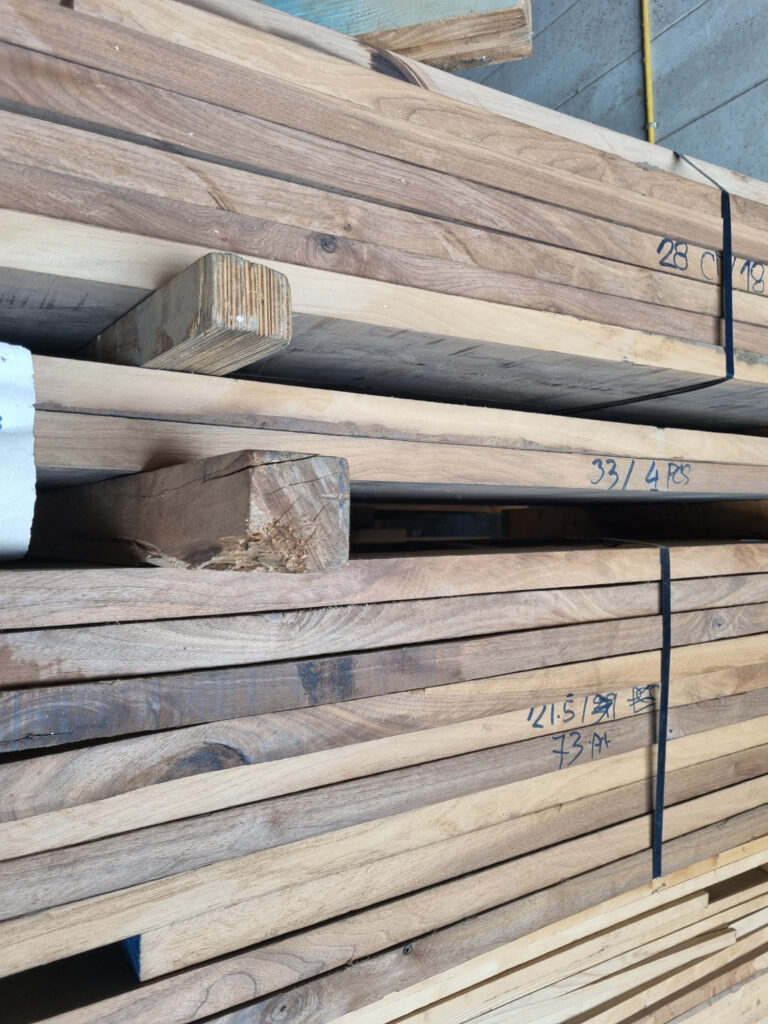
Walnut wood
Walnut wood from South Germany: a premium wood that carpenters love
Walnut wood from the south of Germany is extremely popular in the woodworking industry because it has a number of advantages that fit together without a doubt:
Superior Quality: The walnut tree in southern Germany has the advantage of ideal air and soil. This makes it grow slowly, but the wood will be firm. Durable, and the wood grain is fine and beautiful.
Hypnotic Beauty: The core of the German walnut comes in a warm dark brown tone. Fine smooth wood grain It looks good and classy, so it is the number one choice for making furniture. Lockers or veneers with beautiful patterns.
Easy to use: Although it is tight, the German walnut wood is easy to trim. The polish is smooth, and it is well balanced, rarely warping or shrinking over time. The work I got was beautiful for a long time. Long Lasting
Protect the planet with: Many forests in Germany are sustainably cared for, cut and replanted. The walnuts here come from a harvest that is responsible for nature. After using it, it feels good both mentally and environmentally.
Walnut wood from South Germany is a complete piece of wood, both beautiful, strong and good for the world. Who wants premium woodwork? Try this one, you won't be disappointed!
Wood
Tauari wood from Latin America: beautiful wood Good use, not strong price.
Tauari wood from Latin America is an eye-catching option for interior design because it has a number of features that wood lovers will love:
Beautiful to fit all styles: Tauari wood comes in light to medium brown tones with a slight warmth similar to oak. This neutral color makes it compatible with all home décor styles. Whether modern or classic. The wood grain is smooth and even, giving a simple but beautiful feeling. It can be used as a highlight or as a small component.
Easy to use, and durable: Tauari wood is easy to cut, easy to trim Polished and smooth. So carpenters like to use it to do things that require a lot of skill or custom designs, and it is a fairly durable hard wood. Imdent Not easy to scratch. It can be used in places where a lot of people can walk in a relaxed way.
Value for money: Compared to some premium grade hardwoods, the Tauari is much better, but the quality and beauty are not inferior. This makes it easier for people who want good wood on a budget to access. No matter how small or big the project is, I'm still there.
Tauari wood is a beautiful choice. Who wants a cool wood to make a house or furniture? Look at this one. Definitely worth it!
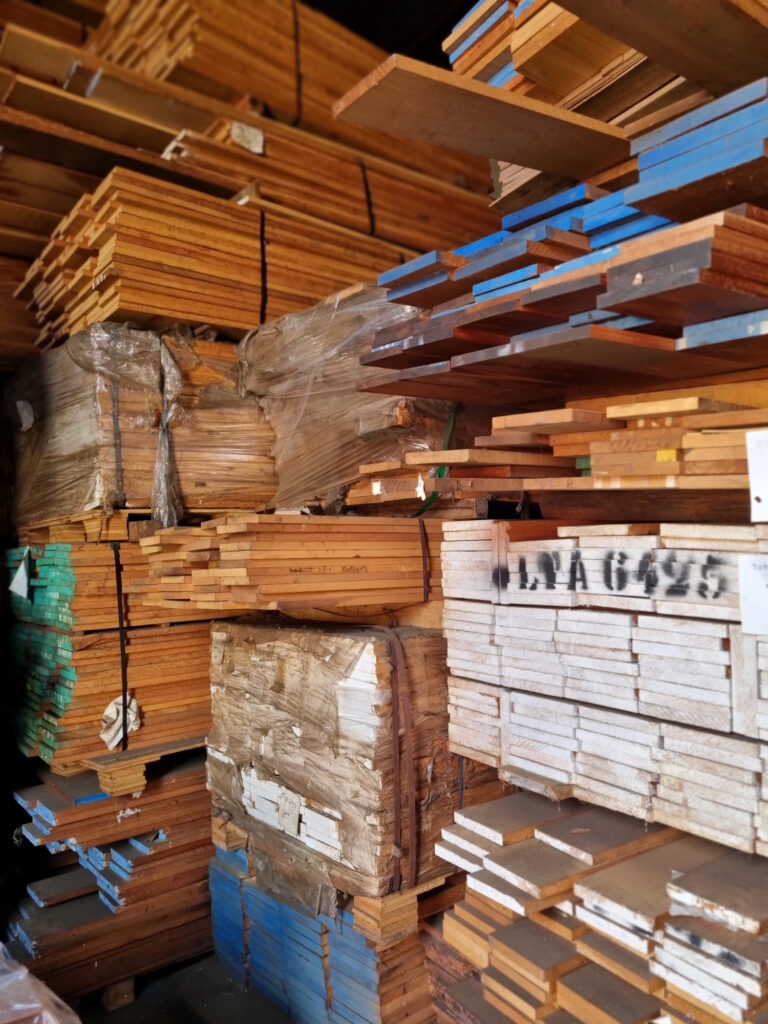
Wood processing
The process of making planks from trees is an interesting and complex process, which consists of several important steps. Here are the details of each step:
1. Tree cutting
Selection: The process begins with selecting a mature tree for cutting. Factors to consider, such as tree type, age, size, and health. Forest management practices often determine which trees are chosen, ensuring sustainable logging and forest restoration.
Cutting: Once the tree has been selected, it is cut using a chainsaw or a specific harvesting machine. The method used depends on the size of the tree and the terrain.
Cutting and Felling: After cutting, the branches are cut off (pruning branches) and the stems are cut into manageable pieces (felling). These logs are ready for transportation.
2. Transporting and storing logs
Transportation: The logs are transported from the forest to the sawmill using trucks. Depending on the location and ease of access, it depends on the location and ease of access.
Storage: At the sawmill The logs are stored, usually in the log yard, to await processing.
3. Sawing logs
Peeling: Before sawing Logs are typically peeled off to remove the outer bark, which is done to protect the saw blades and utilize the bark for other purposes, such as compost or fuel.
Sawing pattern: The method of sawing logs has a significant effect on the appearance and structural properties of the final plank. Common sawing methods include:
Plain Sawn (Conventional Saw): This is the most common method. It is an effective method, but it can cause more deflection.
Quarter Sawn (Quarter Saw): This method produces planks with a straight wood pattern. This makes it more stable and less deflected. However, it is less efficient and generates more waste.
Rift Sawn (Rift Saw): Similar to the Quarter Sahn, this method produces planks with a very straight wood pattern with minimal deflection. It is the most expensive and most wasteful method.
Primary Breakdown: The initial sawing process, called Primary Breakdown, involves using a large saw (such as a circular saw or band saw) to cut a log into large sheets or logs.
Secondary Breakdown: These large slabs or logs are then sawn into planks of the desired thickness, which is called Secondary Breakdown.
4. Primary drying (air drying)
Stacking: Newly sawn planks, often referred to as "fresh wood" due to their high moisture content, are stacked in such a way as to allow air to circulate around them. This is usually done in a roofed area to protect the wood from direct sunlight and rain.
Separator: Thin planks called "separators" are placed between layers of planks to create air gaps. Uniform drying and prevention of bending
Timing: Air drying can take weeks or months, depending on the type of wood, the thickness of the planks, and the weather. This makes the wood more stable.
5. Drying in the oven
Oven: To achieve a lower moisture content and more stability. The planks are usually dried in the oven. The oven is a special chamber in which the temperature and humidity are carefully controlled.
Drying process: The drying process in the oven involves gradually. Increase the temperature and decrease the humidity to remove moisture from the wood, which will be done for days or weeks. It depends on the type of wood and the required amount of moisture.
Advantages: Drying in the oven has a number of advantages:
Reduced drying time: drying in the oven is much faster than air drying.
Lower moisture content: Drying in the oven can achieve a lower and more uniform moisture content. This makes the planks more stable.
Reduced risk of defects: Drying in the oven reduces the risk of defects such as bending. Cracking and mold growth
6. Selection and grading
Inspection: After Drying The planks are inspected for any defects such as knots, cracks, or bending.
Grading: Based on visual inspection, and sometimes mechanical testing. The planks are graded according to quality standards. Different grading systems exist Depending on the region and the use of wood.
Sorting: The planks are sorted according to grade, size, and type, which will ensure that the planks are properly used for their intended use.
7. Planing and surface adjustment
Planing: to achieve a smooth and even surface. The planks are usually planed using a planer, which eliminates any remaining defects and ensures a uniform thickness.
Surface Adjustment: Additional surface adjustment techniques, such as polishing. It may be used to further improve the surface and prepare it for decoration.
8. Decoration (optional)
Staining: If required The planks can be tinted to add color and emphasize the wood pattern.
Coating: A coating or top coat may be applied to protect the wood from moisture. Scratches and wear
9. Storage and Distribution
Storage: The finished planks are stored in a controlled environment to maintain humidity levels and prevent damage.
Distribution: The planks are then ready for distribution to the wooden yard. Retail stores or directly to consumers.
summarize
The process of making planks from trees is a complex and multi-stage operation, which involves careful selection. Effective sawing Controlled drying and thorough inspection to ensure that the final product meets the required quality standards. This journey from the forest to the finished planks demonstrates the value of wood as a versatile and sustainable material.
From Stick to Top Player
The process of cutting wood into a 3mm thick top layer for the production of engineered wood flooring is a delicate and precise process. Specialized equipment and careful control are required to ensure the quality and consistency of the final product. Here is a detailed description of the process:
1. Selection and preparation of logs:
Wood Type Selection: Wood type selection is especially important for the upper layer of engineered wood flooring. Hardwoods, such as oak, maple, walnut, and beech, are popular choices due to their durability, aesthetics, and ability to withstand dyes and coatings well. The type of wood chosen in particular will influence the final look and feel of the floor.
Log Inspection: Logs are carefully inspected for defects such as knots, cracks, decay, and insect damage.
Log Conditioning: Before Cutting This may involve soaking or steaming the logs to soften the wood and reduce the risk of cracking or splitting during cutting. The specific pretreatment process depends on the type of wood and the amount of moisture.
Preparation of large logs: Logs are generally sawn into large rectangular sections called large logs. These large logs are easier to handle and process than whole logs. The initial sawing process also helps to eliminate defects that may not have been visible during the inspection of the logs.
2. Cutting method:
There are several methods that can be used to cut wood into a thin top layer. The most common methods are:
Rotary Cutting: This method is often used for the production of veneer, but it can also be used for thicker upper layers. The large logs are mounted on a rotary lathe, and the long blades strip the wood into continuous plates. Rotary cutting produces a characteristic "cathedral" wood pattern, although effective, it is rarely found for 3mm thick wood layers, as it can cause an unpleasant wood pattern for some applications.
Flat Cutting (or Conventional Cutting): In this method, large logs are held in place and the knife moves through them, cutting off a thin layer. It is a common method used for the production of 3mm thick wood layers, as it allows for more control and uniform cuts.
Quarter Cutting: This method is similar to flat cutting, but the large logs are oriented differently. This creates a straight wood pattern. Quarter cutting is often used for wood with dominant radiation or bone marrow radiation, as it emphasizes these properties. Less common for 3mm thick wooden shelves due to waste and increased costs.
Lift Cutting: Lift cutting involves cutting large logs at a 45-degree angle to the year band, resulting in a very straight wood pattern and reducing the appearance of bone marrow rays. Lift cutting is the most expensive and wasteful method. Therefore, it is rarely used for wooden shelves 3 mm thick.
3. Cutting Process (Flat Cutting Sample):
Since flat cutting is the most common method for a 3 mm thick layer of wood, let's take a closer look at this process.
Preparation of large logs: The prepared large logs are carefully positioned and fixed on the cutter. Accuracy is essential to ensure uniform thickness of parts.
Blade Settings: Very sharp, precisely cut blades are installed in the cutter. The angle and sharpness of the blades are crucial for producing smooth and clean parts.
Cutting: The cutter moves the large log towards the blade, and the blade cuts out the thin wood. Typically 3 mm for the upper layer of engineered wood flooring.
Removing the parts: The newly cut parts are carefully removed from the machine. It is then inspected for any defects or inconsistencies.
Repeat: The process is repeated until all the large logs are cut.
4. Post-cutting process:
Inspection and Grading: The cut layers are rigorously inspected for defects such as knots, cracks, crevices, and differences in wood thickness or pattern, and then graded according to their quality and appearance, ensuring consistent quality for the final product.
Drying: The newly cut layer has high humidity, it needs to be dried to a certain humidity level to prevent warping, shrinkage, or cracking. This is typically done in a controlled oven drying environment. The drying process is carefully monitored to prevent damage to the wood.
Edge Trim: After Drying The edges of the cut layer may be trimmed or cut off to eliminate any unevenness or defects to ensure that the edges are clean and straight for adhesion to the core material.
Priming (sometimes): In some cases, a thin layer of primer of another material, such as thin veneer or non-woven fabric, may be applied to the back of the cut layer, which can increase stability and prevent the top layer from deflecting or warping.
5. Quality Control:
Quality control is paramount in the entire cutting process, including:
Blade Maintenance: Sharp blades are essential for producing smooth and uniform parts. The blades are regularly inspected and sharpened or replaced as necessary.
Machine Calibration: The cutter is calibrated regularly to ensure accurate part thickness and consistent performance.
Moisture content monitoring: The moisture content of the wood is carefully monitored throughout the process, from log conditioning to drying.
Visual inspection: Each part is visually inspected for defects and graded accordingly.
6. From the top floor to the engineered wood floor:
Once the 3 mm thick upper layer has been processed, it is ready for the next stage of the production of engineered wood flooring, which involves fastening the upper layer to the core material, which is typically made of plywood. High-density fiberboard (HDF) or other engineered wood products, the core provides stability and resistance to moisture and dimensional changes. The resulting engineered wood flooring is coated with a protective coating, such as polyurethane or lacquer, to increase durability and appearance.
The production of a 3 mm thick upper layer for engineered wood flooring is a complex process with high technical requirements. Specialized equipment is required. The result is a beautiful and durable wood flooring product that combines the natural beauty of hardwood with the stability and efficiency of engineered construction.