
Skirting boards, baseboards, wall baseboards
Skirting boards are a long-popular decorative material. They can be used to decorate both floors and walls. A variety of colors can be chosen, and they can be custom-cut as needed.
When installing wooden skirting boards, a gap should be left between the wall to allow for expansion and contraction. The appropriate gap size is approximately 15 mm. For example, a 50 sq. m. room should have a 15 mm gap. Therefore, during the installation of skirting boards, the carpenter needs to leave a 15 mm gap between the skirting and the floorboards to accommodate the wood's expansion and contraction.
Using skirting boards
Wooden skirting boards, also known as baseboards, offer numerous benefits in living room interior design, seamlessly blending functionality with aesthetics. While often perceived solely as a decorative element, skirting boards play a vital role in protecting walls, hiding imperfections, and contributing to a more refined and polished appearance of the space.
Functional role:
Wall Protection: Skirting boards act as a shield against everyday wear and tear. Living rooms are high-traffic areas, and walls are prone to scratches, scuffs, and marks from furniture, vacuum cleaners, and foot traffic. Skirting boards absorb these impacts, preventing damage to the wall surface. This is especially important in homes with children or pets. Without skirting boards, the lower part of the walls would quickly become damaged and require frequent repainting or repairs.
Concealing Imperfections: The joint between the wall and the floor is often not perfectly straight or level. There may be small gaps, uneven plaster, or variations in floor height. Skirting boards effectively hide these imperfections, creating a clean and seamless transition between the two surfaces. They hide the raw edges of flooring materials, giving a neat and finished look. This is especially important for floating floors, such as laminate or engineered wood, which require an expansion gap around the perimeter. Skirting boards neatly cover this gap, preventing dust and debris from accumulating, and allowing the floor to move as needed.
Draft prevention: In older homes, gaps between the floor and walls can allow drafts to enter the living room, making it feel cold and uncomfortable. Baseboards cover these gaps, reducing drafts and improving energy efficiency. Minimizing air leaks helps maintain a more consistent room temperature, reducing the load on heating and cooling systems.
Dust Barrier: Skirting boards act as a barrier, preventing dust and dirt from accumulating in the gap between the wall and the floor. This makes cleaning easier and helps maintain a more hygienic environment. Without skirting boards, dust and debris can gather in these hard-to-reach areas, making effective cleaning difficult and potentially harboring allergens.
Cable Management: Some types of skirting boards have channels or cavities behind them, allowing for discreet cable management. This is a practical solution for hiding unsightly wires and cables, such as power cords for lamps, speakers, or other electronic devices, helping to keep your living space tidy and organized, eliminating the clutter of tangled cords.
Aesthetic Contribution:
Visual Balance: Skirting boards provide a visual anchor at the base of the wall, creating a sense of balance and proportion in the room. They make the room feel grounded and less like it's floating. The visual weight of the skirting board adds a sense of stability and completeness to the room's design.
Expressing Style: Wall baseboards come in various styles, ranging from simple and minimalist to ornate and decorative. The choice of wall baseboard can significantly impact the overall style of a living room. For example, simple wall baseboards with clean lines complement modern interiors, while more decorative baseboards with intricate moldings add a touch of elegance to traditional or Victorian-style living rooms.
Focal Point: In some cases, especially with larger or more ornate baseboards, the baseboard can become a focal point in itself, adding architectural interest and character to the room. This is often the case in older homes where original baseboards have been preserved and restored.
Cohesion and Harmony: Baseboards help tie together the various elements of a living room, creating a sense of cohesion and harmony. They act as a unifying element, connecting the walls, floor, and overall decor. The consistent lines of the baseboards create visual flow throughout the room, enhancing the overall aesthetic appeal.
Perceived Height: The perceived height of a room can be influenced by the choice of skirting board. Taller skirting boards can make a room feel taller, while shorter ones can make it feel wider. The proportion of the skirting board to the wall height is an important design consideration.
Material Considerations:
Wall skirting boards are available in a variety of materials, each with its own advantages and disadvantages:
Wood: Hardwood baseboards are a classic choice, offering natural beauty and durability. They can be stained or painted to match the room's decor.
MDF (Medium Density Fiberboard): MDF is a more cost-effective alternative to solid wood. It offers a smooth surface, is easy to paint, and is less prone to warping or cracking than solid wood.
PVC (Polyvinyl Chloride): PVC skirting is moisture-resistant and durable, making it a good choice for areas that may be exposed to moisture. It is also easy to clean and maintain.
Installation:
Proper installation is crucial for the performance and longevity of skirting boards. They should be securely attached to the wall using nails, screws, or adhesive, depending on the wall type and the material of the skirting board. Accurate measurements and precise cuts are essential for a professional finish.
In summary, wooden skirting boards are more than just decorative trim; they are essential elements in living room interior design, serving both functional and aesthetic purposes. From protecting walls and concealing imperfections to adding visual balance and contributing to the overall style of the room, skirting boards play a crucial role in creating a comfortable, beautiful, and well-maintained living space.
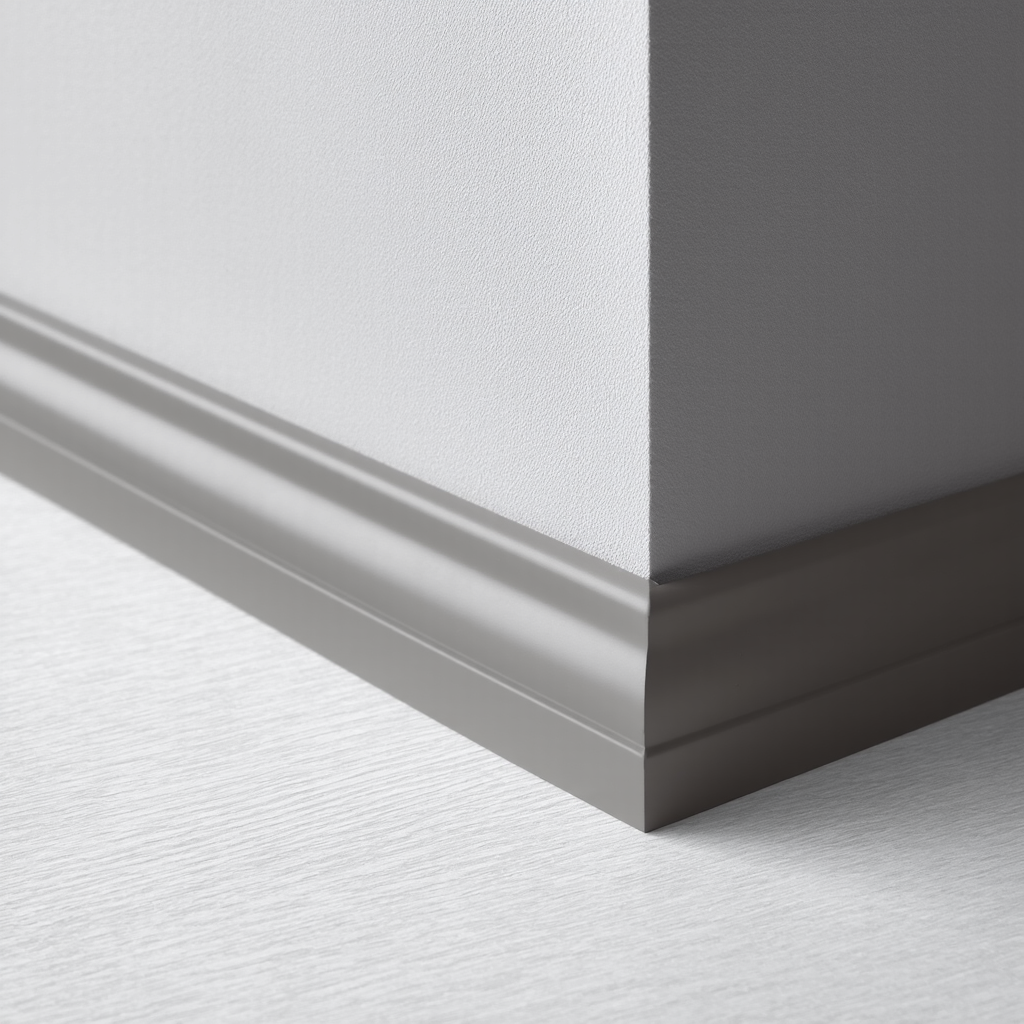
Grey floor skirting board
Skirting boards are a long-popular decorative material. They can be used to decorate both floors and walls. A variety of colors can be chosen, and they can be custom-cut as needed.
When installing wooden skirting boards, a gap should be left between the wall to allow for expansion and contraction. The appropriate gap size is approximately 15 mm. For example, a 50 sq. m. room should have a 15 mm gap. Therefore, during the installation of skirting boards, the carpenter needs to leave a 15 mm gap between the skirting and the floorboards to accommodate the wood's expansion and contraction.
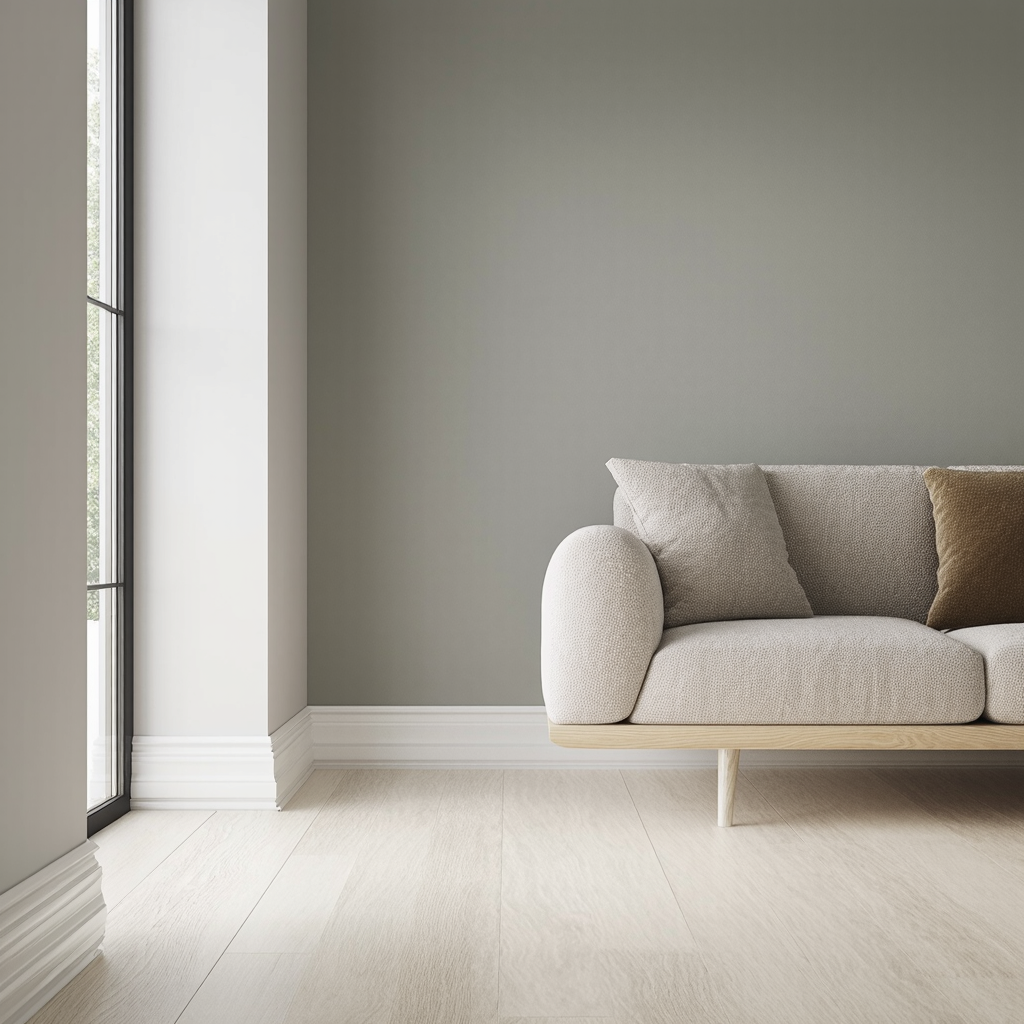
White floor skirting
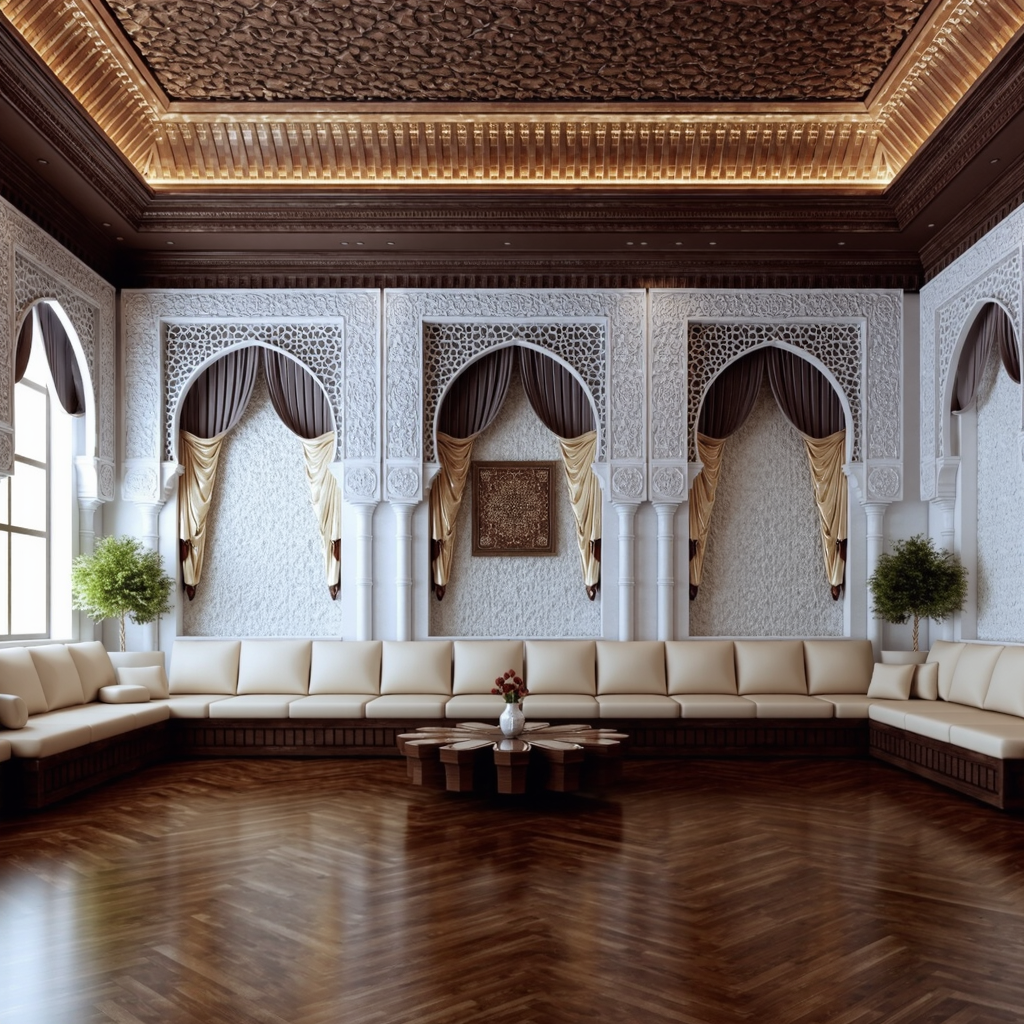
Arabian wood decoration. See what you can do with wood and all kinds of wood decoration. wood
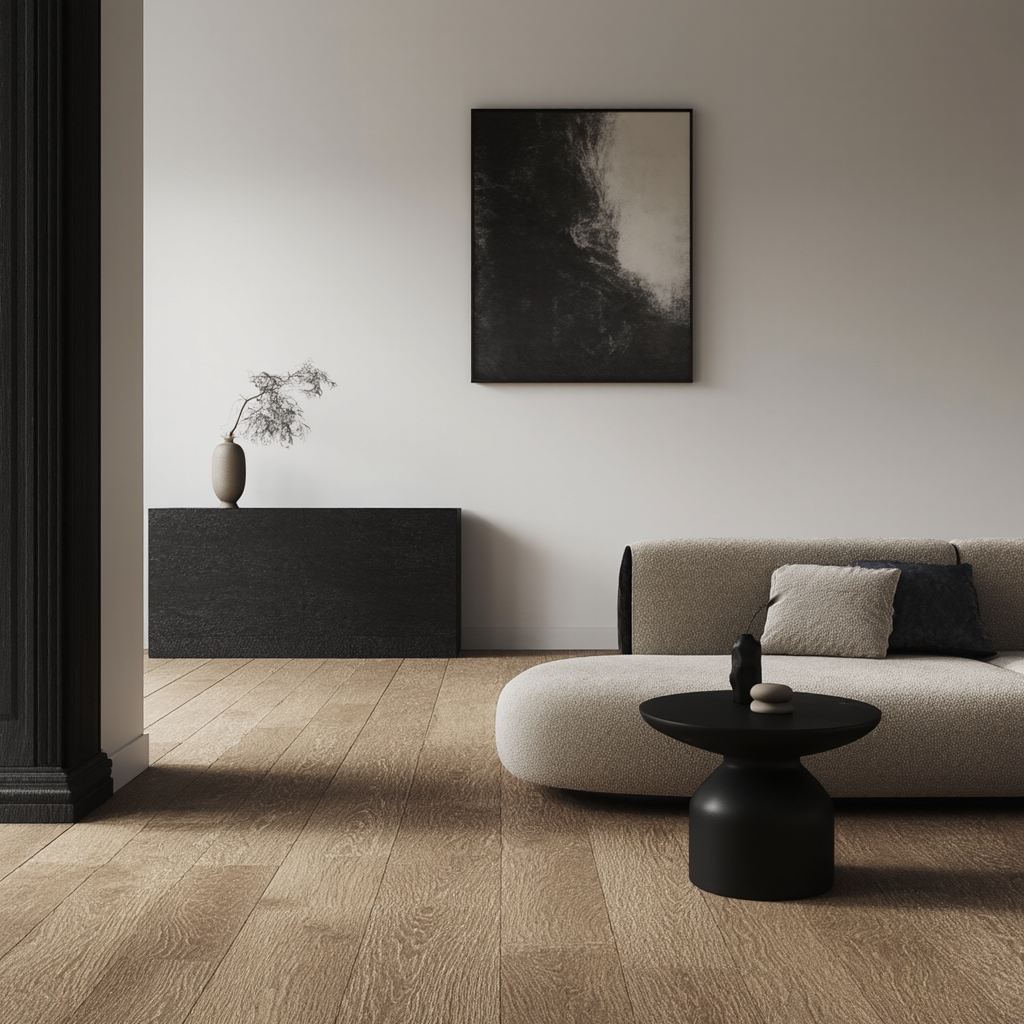
Black floor skirting wood
Skirting boards are a long-popular decorative material. They can be used to decorate both floors and walls. A variety of colors can be chosen, and they can be custom-cut as needed.
When installing wooden skirting boards, a gap should be left between the wall to allow for expansion and contraction. The appropriate gap size is approximately 15 mm. For example, a 50 sq. m. room should have a 15 mm gap. Therefore, during the installation of skirting boards, the carpenter needs to leave a 15 mm gap between the skirting and the floorboards to accommodate the wood's expansion and contraction.
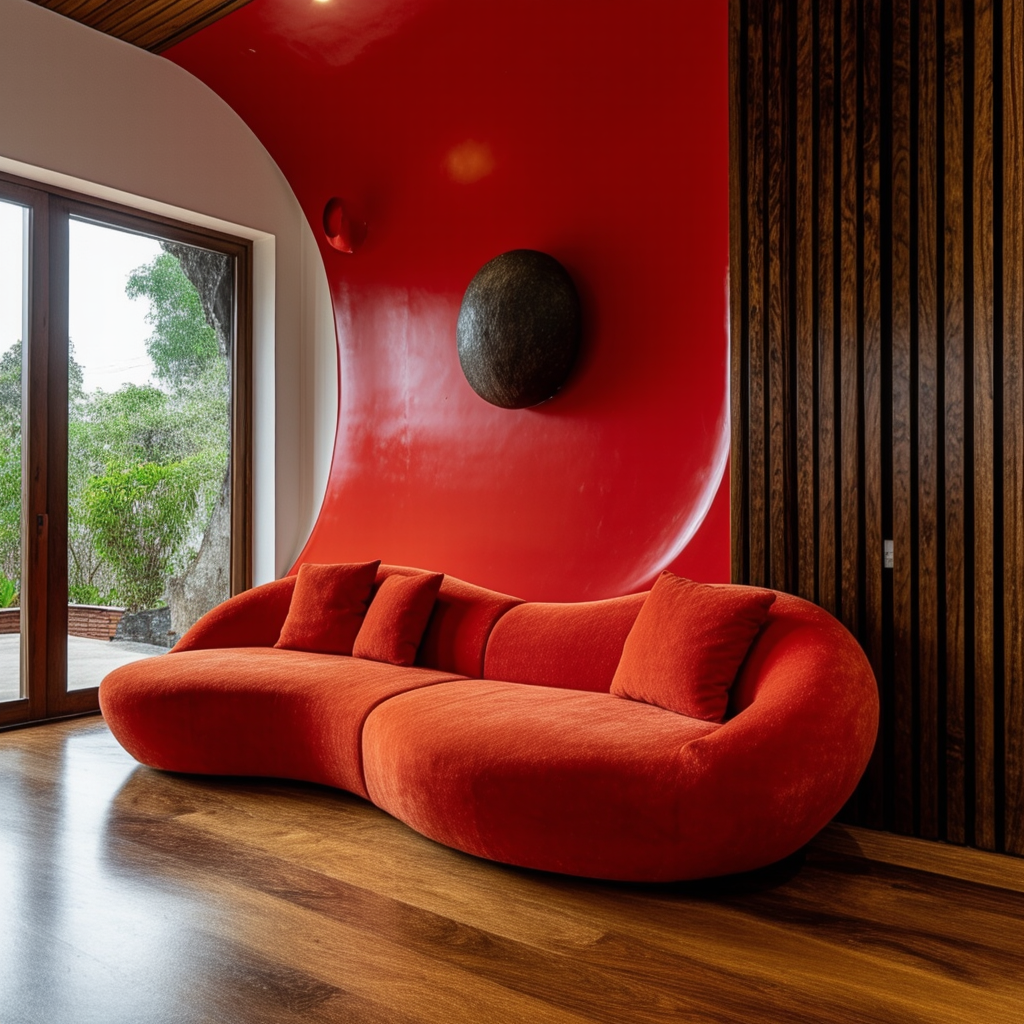
Red wood skirting board
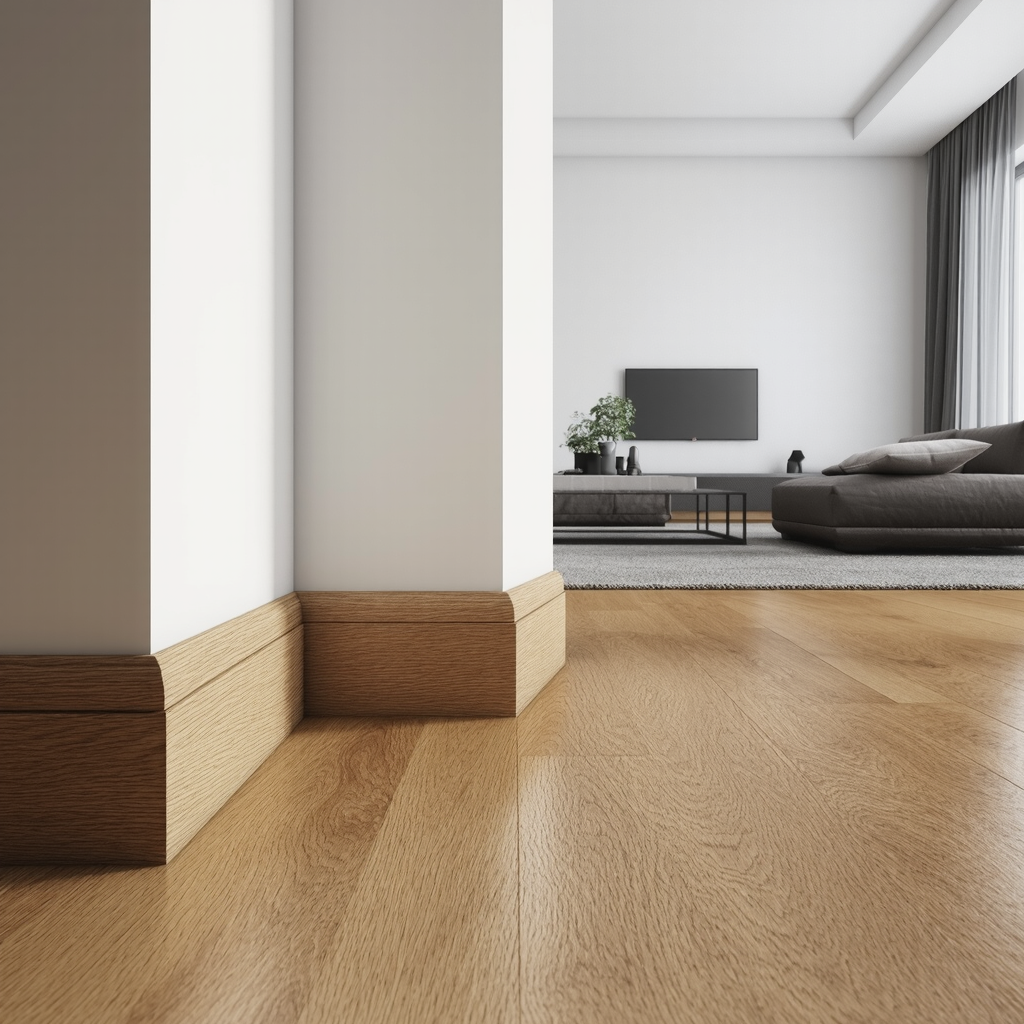
Oak high
Skirting boards are a long-popular decorative material. They can be used to decorate both floors and walls. A variety of colors can be chosen, and they can be custom-cut as needed.
When installing wooden skirting boards, a gap should be left between the wall to allow for expansion and contraction. The appropriate gap size is approximately 15 mm. For example, a 50 sq. m. room should have a 15 mm gap. Therefore, during the installation of skirting boards, the carpenter needs to leave a 15 mm gap between the skirting and the floorboards to accommodate the wood's expansion and contraction.
- Wide variety of choices. Whatever type of skirting board you need, we can produce it to meet your requirements.
- Standard skirting wood sizes are 9x25, 50x18, 70x18, 95x18mm
- In addition to skirting boards, we can also produce crown molding for ceilings.
- Colors and finishes can be chosen according to the wood ordered or as required.
These advantages make Arrow Wood skirting boards an ideal choice for your home decoration. Skirting boards can help add a finishing touch to your room. They also help conceal the joint between the wall surface and the floor, and protect the walls from contact, edge abrasion, and other furniture.
If you are looking for high-quality skirting boards, Arrow Wood is an excellent choice. You can contact Arrow Wood for more information or to place an order.