
Oak floor with herringbone
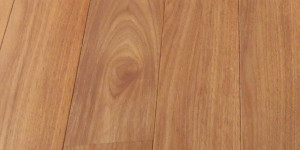
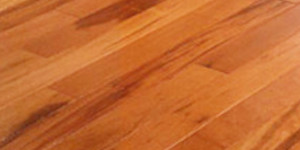
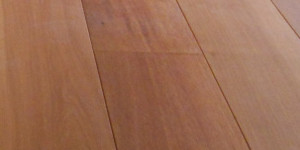
Herringbone wood floors in Oak, White Maple, Walnut, Ash, and Redwood
Herringbone flooring in oak, white maple, walnut, ash, and redwood.
Installing a herringbone floor offers numerous advantages for interior spaces, seamlessly blending aesthetic appeal with practicality. Visual interest The herringbone pattern creates a visually appealing and captivating surface with its geometric precision, adding elegance and sophistication to any room. This design is a timeless classic, offering enduring beauty to living spaces.
Additionally, Sense of space is also subtly influenced by the direction of the herringbone pattern. For example, if the pattern is laid so that the "bones" point towards the longest wall, it will make a narrow room appear wider. Alternatively, if the pattern points towards a focal point, it will draw the eye and create an impressive sense of depth. Versatility This pattern is also a highlight because it pairs well with various interior design styles, from traditional and classic to contemporary and minimalist. It can also be used with many types of materials such as solid wood, engineered wood, laminate, vinyl, or even tiles, providing great design flexibility.
Moreover Focal point The herringbone floor created can become a beautiful focal point in a room, adding visual interest without relying on additional decorative elements. It easily enhances the overall design and creates a sense of luxury. In terms of Structural integrity The interlocking herringbone layout enhances the structural integrity of the floor by distributing weight evenly and reducing movement or warping, especially with wider planks.
For durability When using high-quality materials like hardwood or engineered wood, herringbone floors are highly resistant to heavy use and wear. While the pattern itself doesn't directly add durability, it pairs exceptionally well with robust materials. Concealing imperfections is another advantage, as the intricate herringbone pattern can effectively camouflage minor imperfections on the subfloor or the flooring material itself. Scratches or slight variations in the planks are less noticeable on a patterned surface compared to a plain one.
In terms of Easy maintenance Herringbone floors are easy to clean and maintain, much like any other hardwood surface. Regular sweeping or vacuuming, along with occasional mopping with clean water (for water-resistant materials), is usually sufficient. However, despite its many advantages, there are a few considerations to keep in mind with herringbone flooring. Installation complexity is a consideration, as herringbone installation requires a higher degree of skill and precision than standard patterns like straight or diagonal layouts. It is advisable to hire a professional installer for optimal results.
Additionally, Scrap material may occur more than with general flooring patterns, as wood needs to be cut at angles to create the herringbone pattern, which may slightly increase material costs. And in terms of Cost The higher labor costs due to installation complexity and potential material waste mean that herringbone floors are slightly more expensive than simple plank floors.
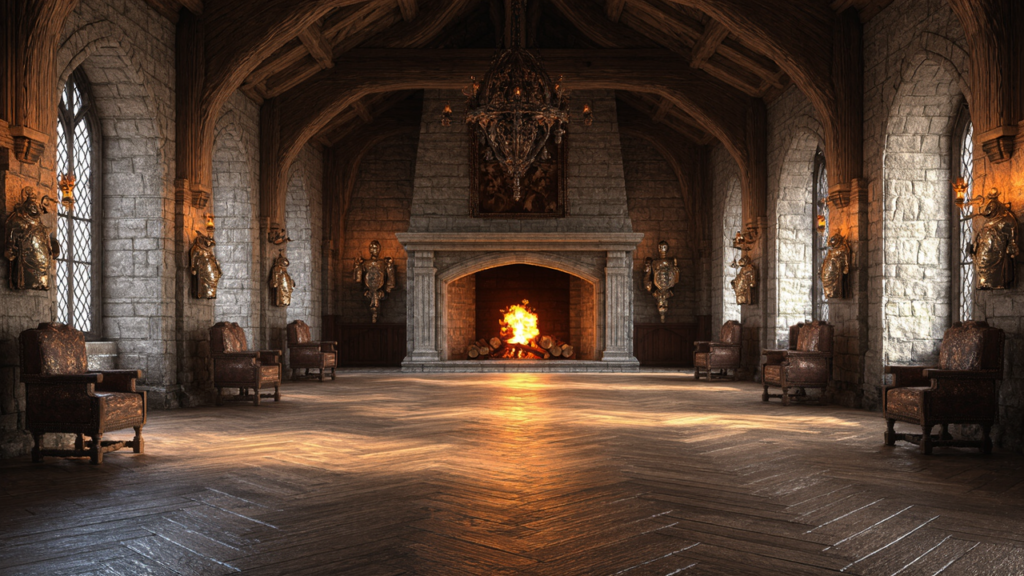
Oak floor with herringbone
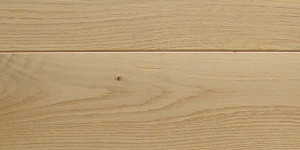
Oak floor with herringbonesignificantly elevates living spaces, seamlessly blending natural beauty with practicality. Light brown colorOak wood creates a pleasant and inviting atmosphere, whileHerringbone pattern(or herringbone) with its dynamic energy adds visual interest and brings classic elegance to the space. Spatial perceptioncan also be subtly adjusted with this pattern. When strategically placed, such as pointing the grain towards the longest wall, narrow rooms appear impressively wider.
durabilityThe natural properties of oak make this floor resistant to daily wear and tear, effectively resisting scratches and dents, especially when properly finished. Oak flooringensures longevity and easy maintenance. Interlocking structureThe herringbone pattern also adds stability to the floor by distributing weight evenly, reducing the chance of warping or movement of the wood planks.
Beyond its practical benefits Design versatilityThe herringbone oak flooring is also a key feature, as it complements a variety of interior design styles, from traditional to contemporary, serving as a neutral backdrop for diverse furniture and decor. Natural wood grainAnd the subtle color variations add character and depth to the floor, making it a beautiful focal point in the room without relying on additional decoration.
AlthoughInstallationcan be slightly more complex than a simple plank floor due to the precision required for laying the pattern, butAesthetic ImpactandLong-term durabilityThis makes herringbone oak flooring a worthwhile investment for those seeking a living space with both style and comfort.
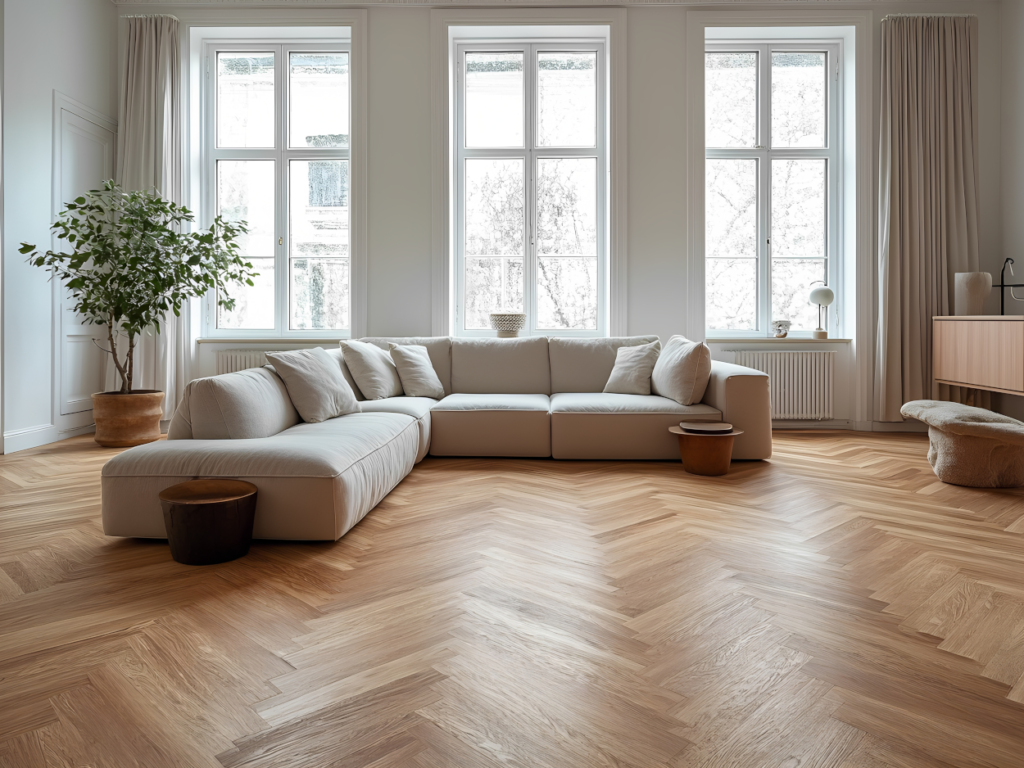
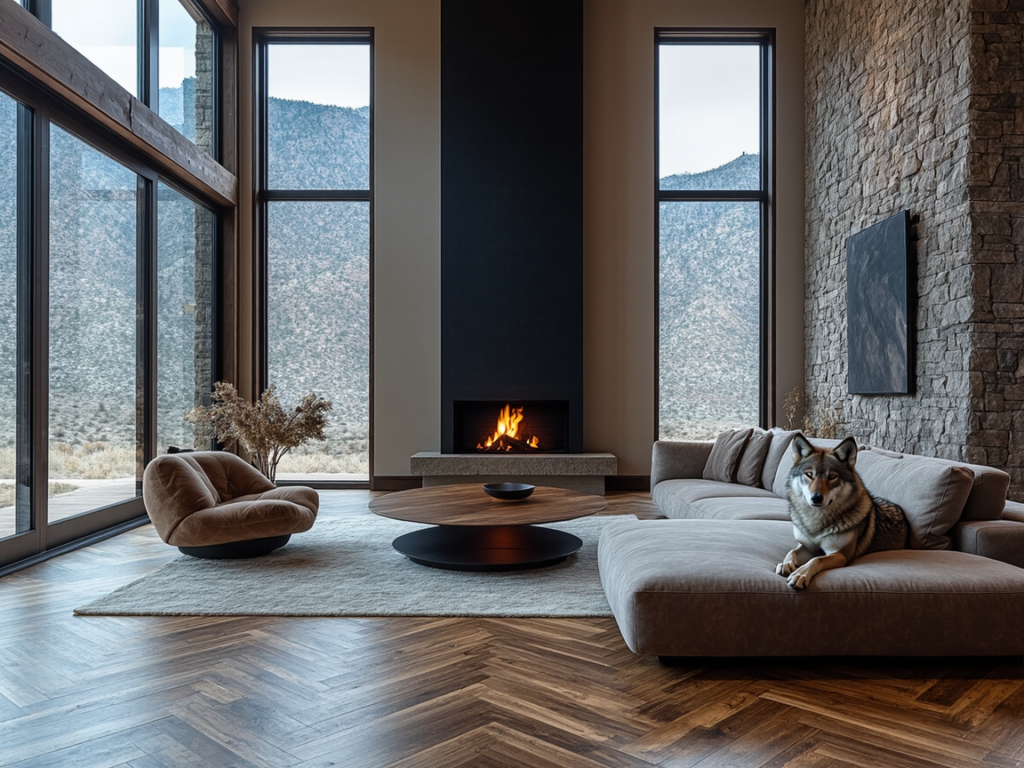
Walnut herringbone wood flooring
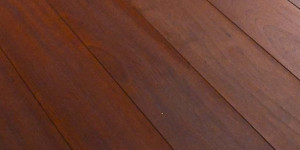
Walnut herringbone wood flooringit adds a touch of warm luxury and timeless elegance to living spaces. dark brown tonesThe richness of walnut creates a luxurious and inviting atmosphere, whileHerringbone pattern(or herringbone) with dynamic energy that adds visual interest and imparts a sense of timeless, classic design. Spatial perceptionis also subtly influenced by this pattern, because when laid cleverly, such as pointing the grain towards the longest wall, a narrow room will appear wider and more spacious.
Beyond aesthetics, durabilityWalnut wood is also a suitable choice for living room floors, as it holds up well to daily wear and tear. While not as hard as some hardwoods, it remains suitable for residential use. Walnut wood flooringproperly maintained, it is easy to care for, regular cleaning is sufficient. intricate patternsof the herringbone pattern also effectively conceals minor imperfections on the surface.
VersatilityThe herringbone pattern of walnut wood complements a variety of interior design styles, from traditional to contemporary. Rich colorsof this wood serves as a beautiful backdrop for a variety of furniture and decor, whilenatural grain patternsand the variations within the wood grain add character and depth to the floor, creating a striking focal point without relying on additional decor. AlthoughInstallationcan be slightly more complex than a simple plank floor due to the precision required for laying the pattern, butVisual impactandsense of luxurythat is achieved, turning the herringbone walnut floor into a worthwhile investment for a living room that is both modern and truly comfortable.
From these woods, we can produce herringbone flooring. This page is Herringbone flooring
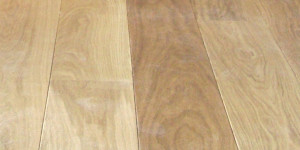
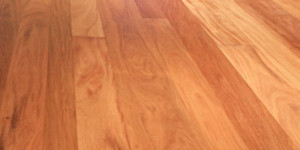
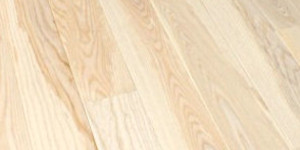
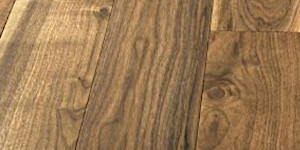

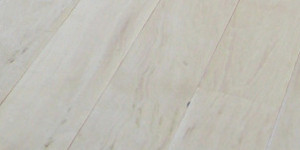
White maple herringbone flooring
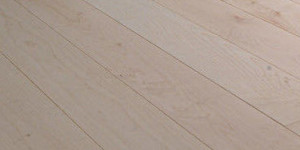
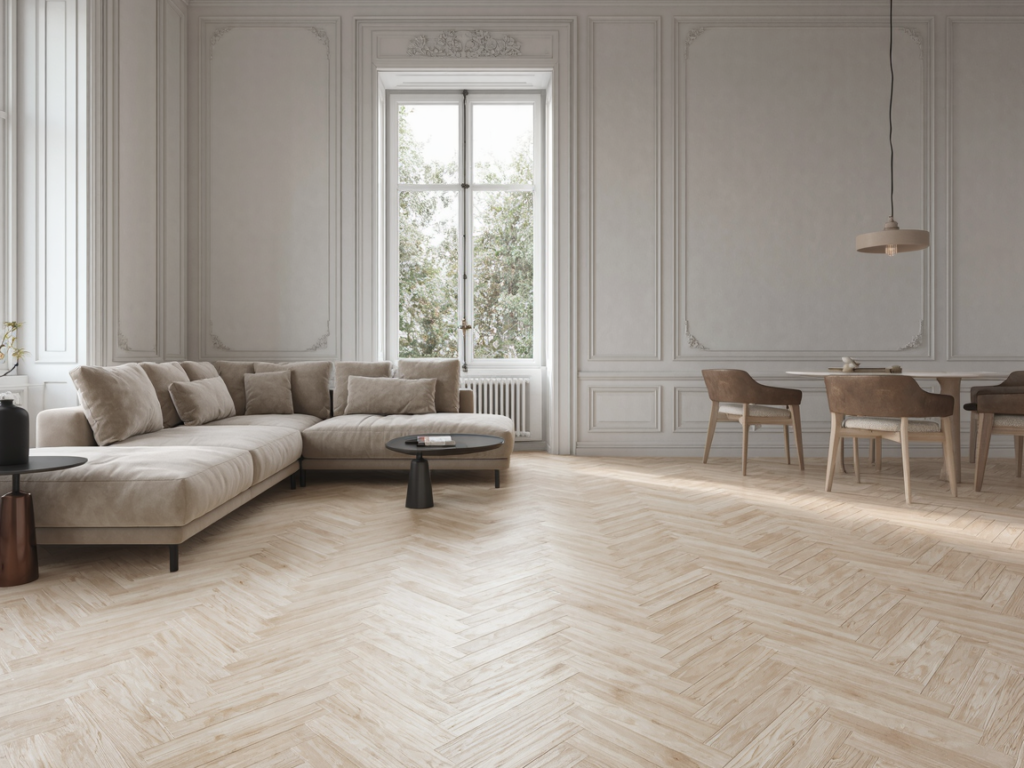
White maple herringbone flooringimpressively enhances the sense of brightness, spaciousness, and modernity in interior spaces. Soft color tonesThe white maple creates a sense of spaciousness and openness. Its good light-reflecting properties brighten darker rooms and make them feel more vibrant. Herringbone pattern(or herringbone) with dynamic energy adds visual interest and complexity, elevating the overall design. Spatial perceptionis also subtly influenced by this pattern, because when laid cleverly, such as pointing the grain towards the longest wall, a narrow room will appear wider and more spacious.
Beyond aesthetics, durabilityWhite maple, a hardwood, is suitable for residential use. While not as hard as red maple, it still withstands daily wear and tear well. White maple wood flooringproperly maintained, it is easy to care for, regular cleaning is sufficient. intricate patternsThe herringbone pattern also effectively conceals minor imperfections on the surface.
VersatilityWhite maple herringbone flooring complements modern, minimalist, and Scandinavian designs. Light and neutral color palettesof this wood serves as a clean backdrop for various furniture and decor, whileSubtle grain patternand consistent color create a sense of calm and understated yet powerful elegance. WhileInstallationcan be slightly more complex than a simple plank floor due to the precision required for laying the pattern, butThe resultIt is a bright, spacious, and stylish aesthetic, making white maple herringbone flooring a worthwhile investment for living spaces that demand modernity and comfort.
Redwood herringbone flooring
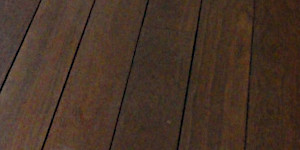
Redwood herringbone flooringBeautifully complements Balinese-style homes, adding natural warmth and a serene ambiance to the living space. Dark reddish-brown toneof redwood reflects the earthy tones often found in Balinese design, creating a harmonious blend with natural materials like bamboo and stone. Herringbone patternfilled with dynamic energy that adds subtle yet profound elegance and visual intrigue. It elevates the space subtly without overpowering the overall design aesthetic.
Beyond aesthetics, durabilityRedwood is suitable for residential use and is also distinguished by its natural resistance to moisture and decay, which is an important characteristic in tropical climates like Bali. Redwood wood floorproperly maintained is easy to care for. Regular cleaning is sufficient. Warm and inviting appearanceof redwood creates a sense of comfort and tranquility, perfectly complementing the serene ambiance characteristic of Balinese-style homes. Even thoughSourcingRedwood may need to consider sustainability and environmental responsibility, butRedwood herringbone flooringethically harvested can be a stunning and fitting choice for a Balinese-style home seeking beauty and natural balance.
How to Install Herringbone Wood Flooring
Installing engineered herringbone flooring requires careful planning and precise execution to achieve a beautiful and durable result. Planning and preparationis a crucial first step, beginning with an assessment of the subfloor, which must be level, clean, dry, and structurally sound. levelof the subfloor can be checked with a long ruler and level. Minor unevenness may be corrected with self-leveling compound, but significant dips or humps require subfloor repair or replacement. cleanlinessis equally important. Dust, debris, nails, or other obstructions must be completely removed by vacuuming thoroughly. Drynessof the subfloor is crucial as moisture can damage wood floors. Use a moisture meter to ensure levels are within the manufacturer's recommendations. If too high, address the moisture source and allow it to dry completely. Stabilityof the subfloor must also be checked. If any loose or damaged areas are found, repair them immediately.
Measuring and Layoutis the next step that requires precision. Measure the length and width of the room thoroughly, accounting for any nooks, doorways, or other obstructions. focal pointThe room's center is a crucial starting point for the herringbone pattern. Use chalk lines or string to mark it clearly. Reference linesPerpendicular to the center point will guide the placement of the first row of planks. directionof the herringbone pattern should be carefully considered. Typically, the "chevrons" point towards the longest wall to make the room appear wider, but other designs may dictate a different orientation. Dry layoutBy laying a few rows first, you can get a better overview and adjust the starting point to avoid unsightly cuts or overly small pieces at the room's edges. Material conditioningis indispensable. Engineered wood flooring should be stored in the room where it will be installed several days in advance to acclimatize to the temperature and humidity, reducing expansion or contraction after installation.
Underlayment Installationis often done before installing engineered wood flooring. Moisture barrierThe underlayment itself helps protect against moisture from the subfloor, while also providingsound absorption Impact sound reduction and providesSupportunder the floor, including smoothing minor uneven surfaces. Install underlayment as directed, overlapping edges and securing firmly with tape. Starting pointof herringbone flooring installation is the center of the room along the reference line. First rowis crucial as it determines the precision of the entire pattern. Full planks are combined with precisely cut pieces to create the 'V' shape that starts the herringbone, and spacers are used to maintain expansion gaps.
Installation MethodAdhesive or a click-lock system may be used. AdhesiveApply with a trowel as directed, lay the wood carefully and press firmly, working in small sections to prevent the adhesive from drying. PartClick lock systemDesigned for wood to interlock without glue. Strictly follow the manufacturer's instructions. Cutting techniquesis the heart of the herringbone pattern. MeasurementRequires precision with a tape measure and square. CuttingRequires a suitable saw, such as a circular saw or jigsaw, to achieve clean, straight cuts. Templatesfrom cardboard can be helpful for cuts around doorways or obstructions. LevelingMust be checked throughout installation with chalk lines to ensure the pattern remains symmetrical. Expansion gapsaround the perimeter allows the floor to adapt to humidity and temperature fluctuations without warping.
Finishing touchesStart by removing the spacers, then install baseboards or trim to cover expansion gaps and enhance the visual appeal. TipsWhat to remember is to maintain cleanliness in the work area, use high-quality tools for precise cutting, strictly follow the manufacturer's instructions, plan the dry layout before the actual work, and useDurabilityto work with, as the herringbone pattern demands attention to detail. If you're unsure, Hiring professional installerscan be a great option. With these steps, you'll achieve engineered herringbone wood flooring that is both beautiful and adds value to your space.