
Engineered wood flooring, composite wood flooring, oak wood
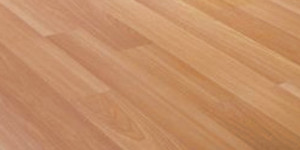
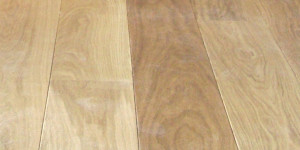
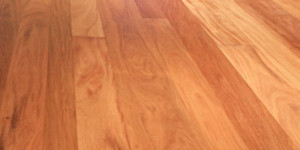
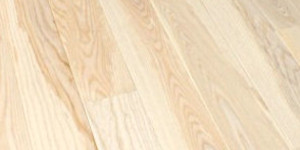

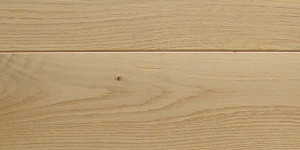
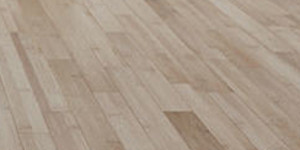


What is engineered wood flooring?
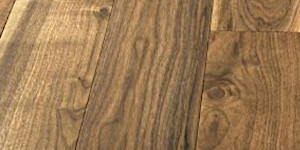
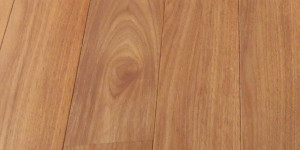
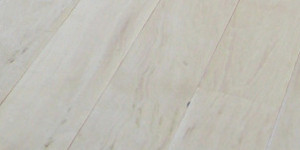
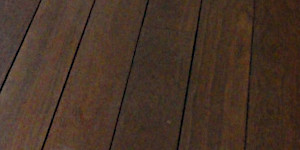
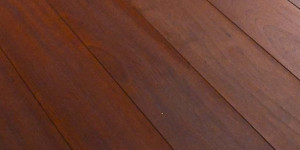
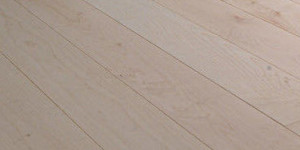
Engineered Wood Flooring Engineered wood flooring is made from real wood and processed wood assembled in multiple layers. The top layer is real wood, smoothed and beautified, while the bottom layers are plywood or various types of processed wood that support weight and prevent warping of the wood floor.
Engineered wood processed and scientifically conditioned for increased durability, strength, and beauty. The manufacturing engineer considers these factors as top priorities, making engineered wood very similar in appearance and properties to real wood, almost indistinguishable.
Multi-layer wood flooring Has the following outstanding advantages:
- Durability Engineered wood flooring. Processed and scientifically conditioned for high durability, resistant to impact, pressure, and moisture.
- Hardness Engineered wood flooring consists of various layers of plywood or processed wood that support weight and prevent warping, making the floor strong and durable.
- Timeless beauty Engineered wood flooring is made from multiple layers of real wood, with the top layer being real wood that has been smoothed and beautified, giving the floor patterns and colors similar to real wood.
Key Applications
Most are popular for decorating homes, especially in the areas of the floor, living room, study, or even bedroom, because they give a natural, warm, and comfortable feeling to the eyes, and are also environmentally friendly.
In addition, it can be used to decorate other areas such as balconies, walkways, kitchens, etc. Composite wood flooring
Engineered Wood Flooring 19MM
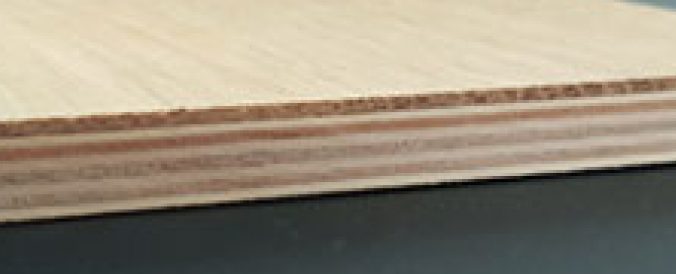
Example of 14MM Engineered Wood Flooring
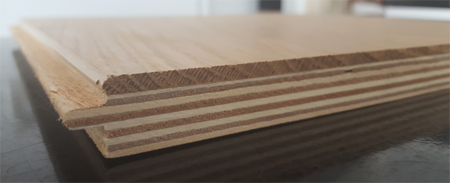
Advantages of Arrow Wood Composite Flooring
Advantages of Arrow Wood flooring
- Beauty that comes with modernity
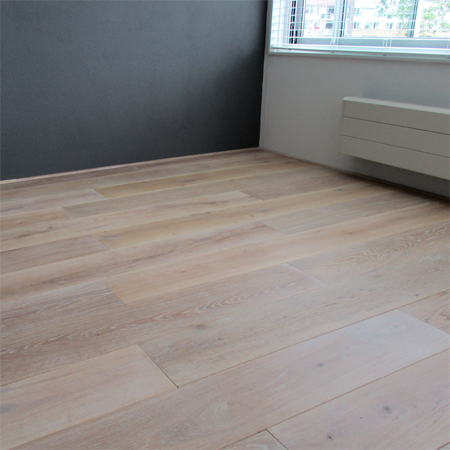
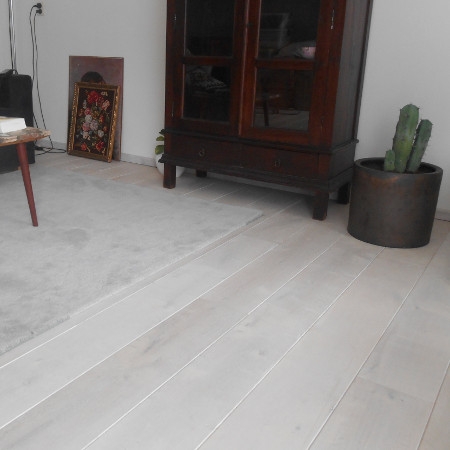
Arrow Wood flooring is available in a variety of colors and patterns, allowing you to freely choose to match the style and atmosphere of your home or place, whether it's beautiful natural wood grain or wood dyed to your desired color, such as white or gray wood flooring, making it easy to customize your room to your desired style.
- Luxury and warmth
Arrow Wood flooring helps create a feeling of luxury and warmth in your home. Whether decorating a living room or bedroom, it makes your home more charming and inviting.
- Easy and fast installation
Arrow Wood flooring is easy and fast to install. You can install it yourself, or if you prefer, Arrow Wood has a team available for consultation at all times.
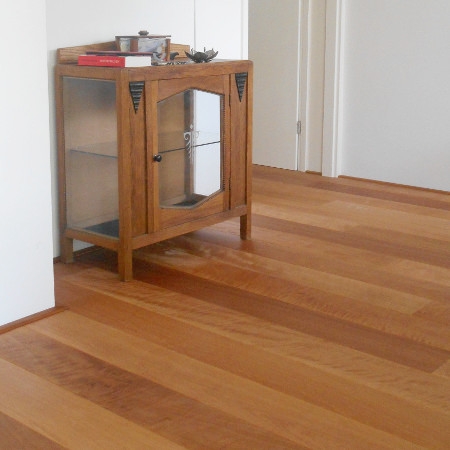
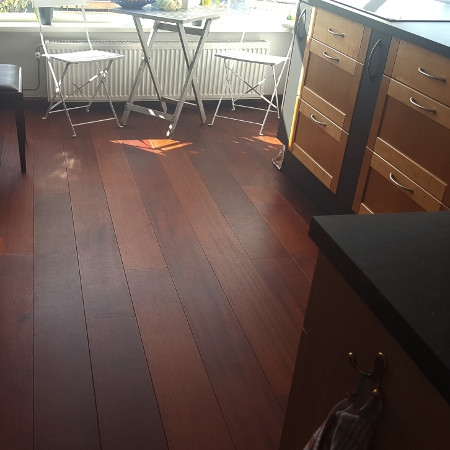
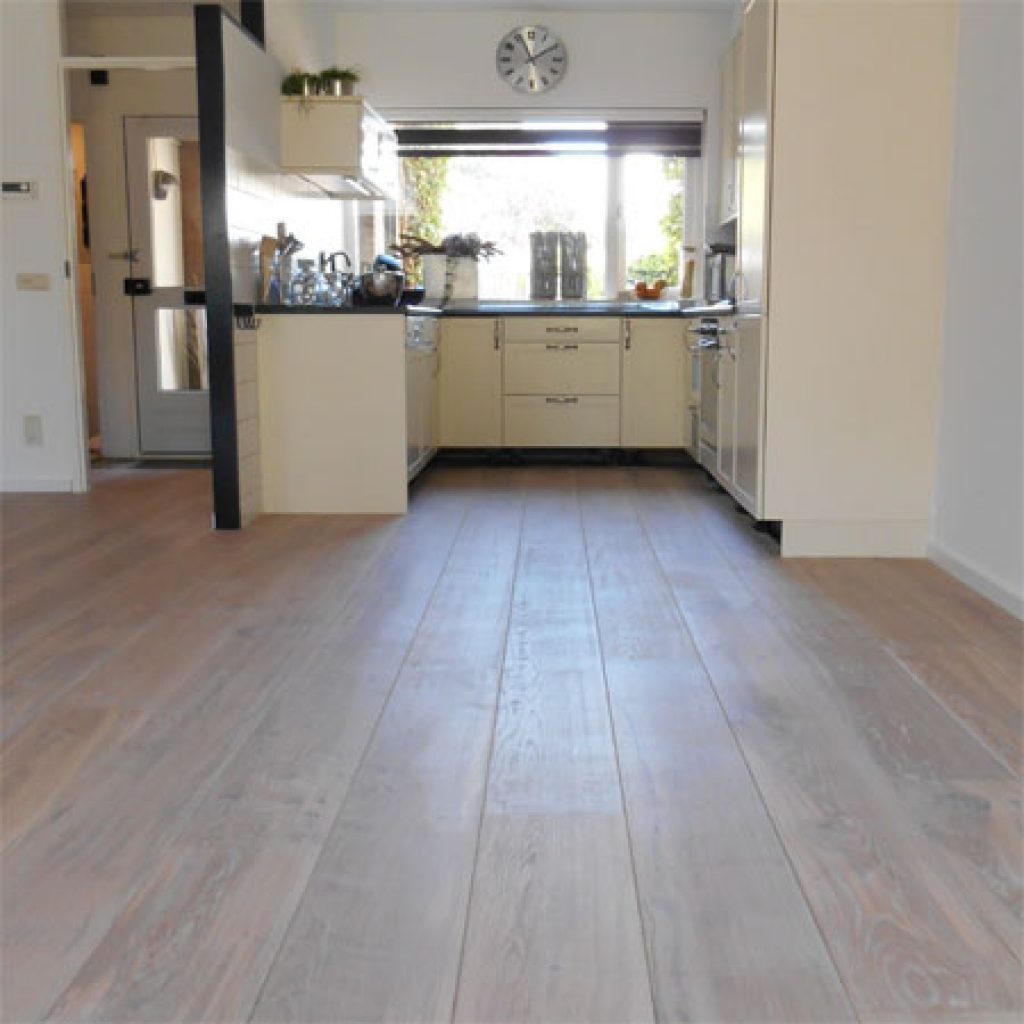
Example of composite wood flooring from Arrow Wood
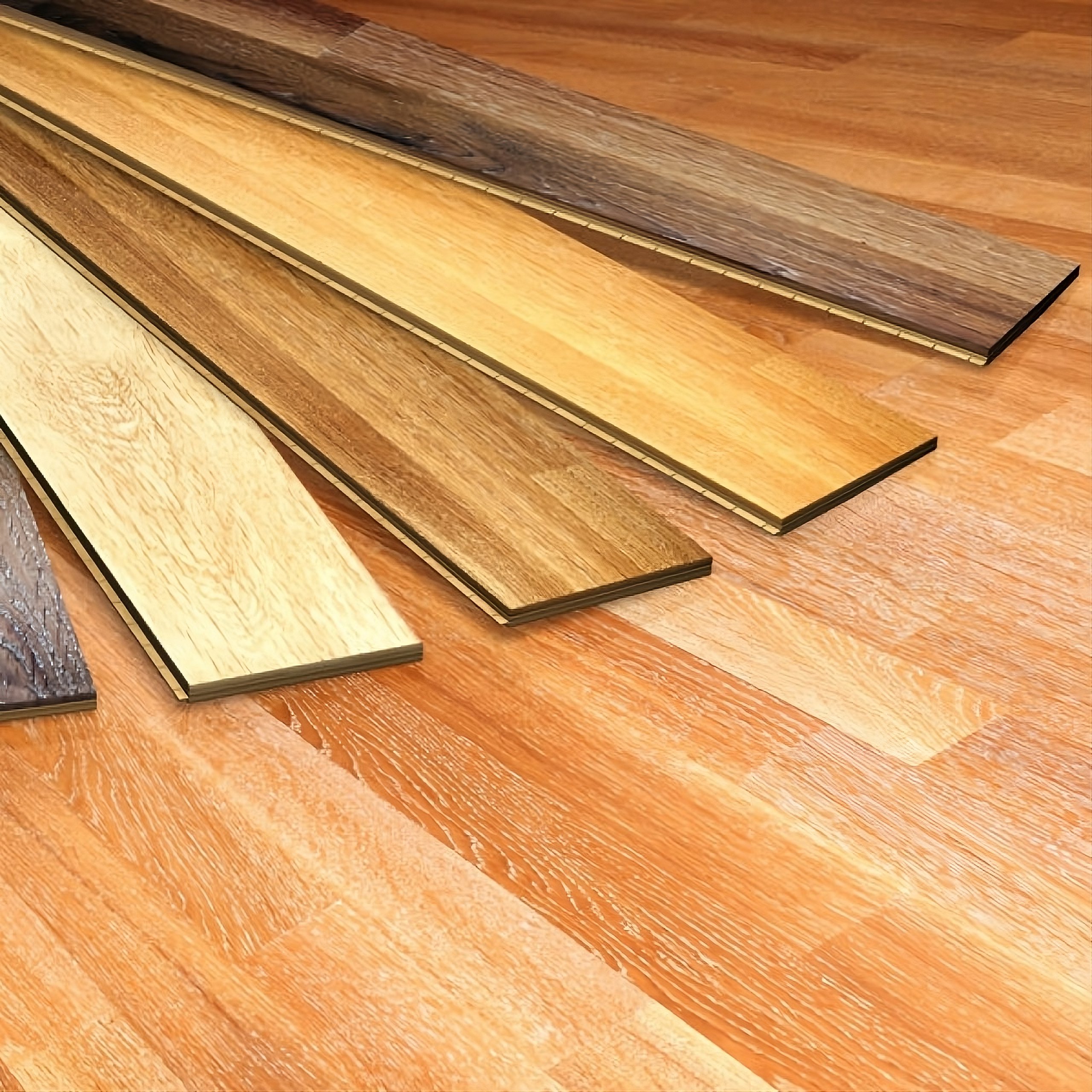
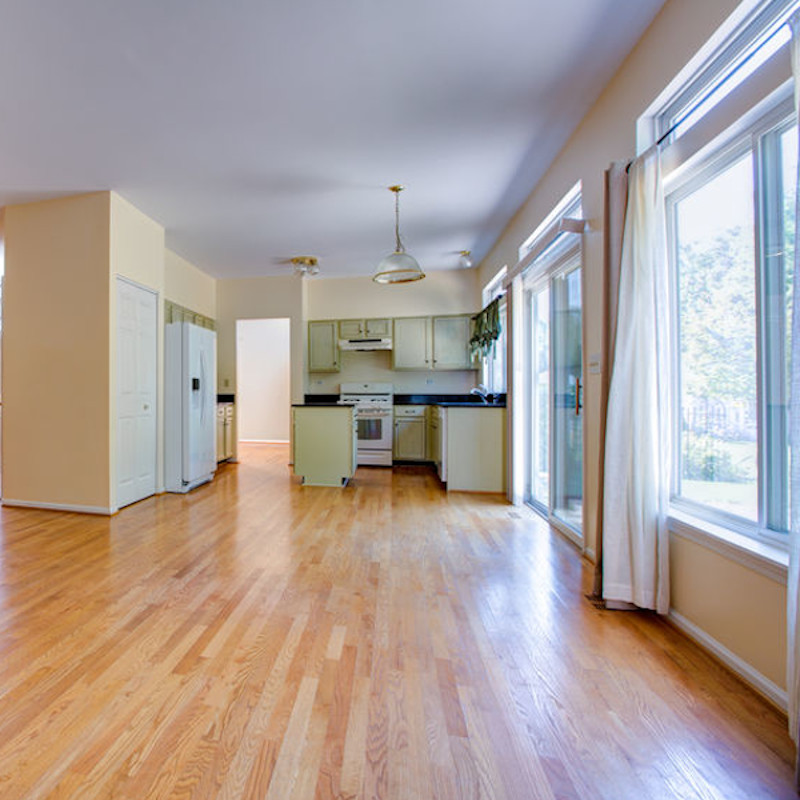

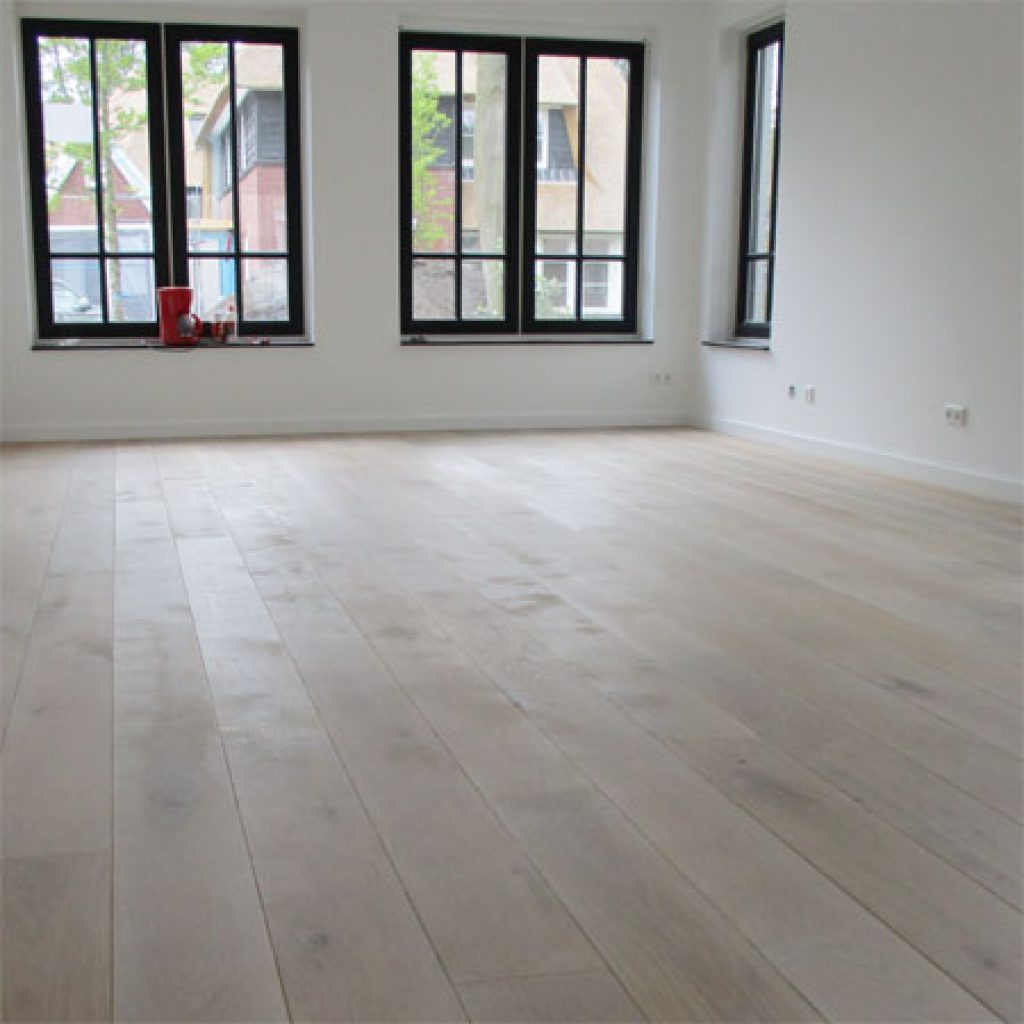
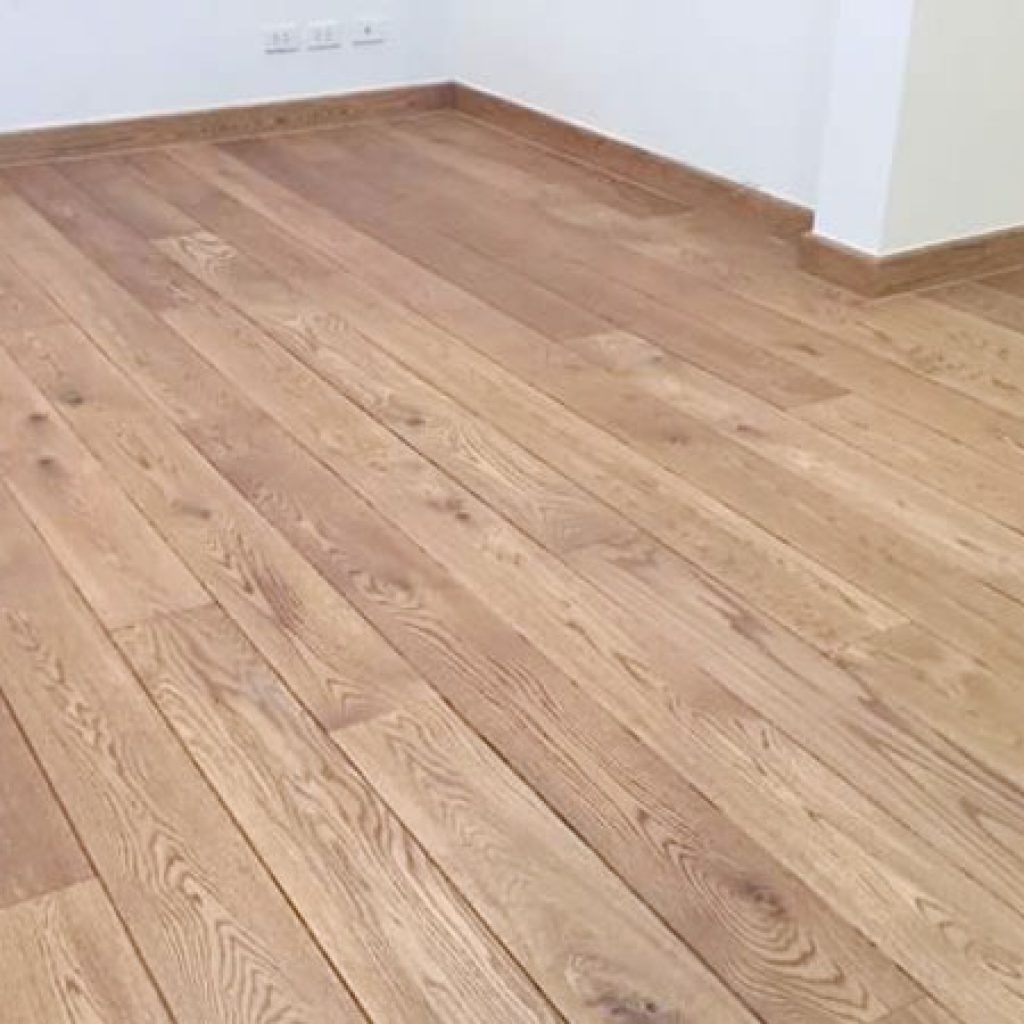
Oak
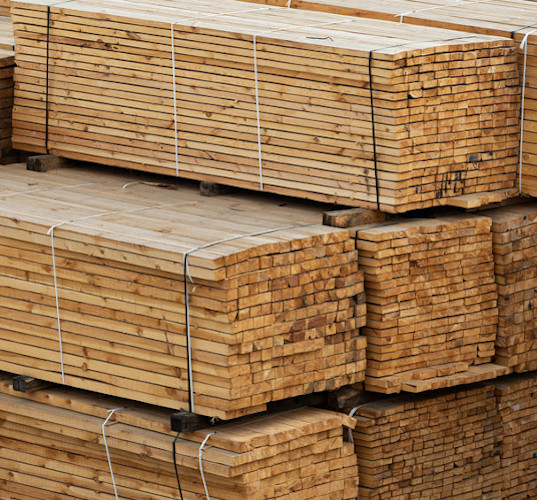
In addition to solid and engineered wood, we also supply raw and interior decorative wood. Our raw wood comes in many types with varying prices, such as Oak. 27mm:
Oak is a wood plank that has been smoked and dried. Cut fresh after the smoking process to minimize loss. Oak wood is available in different grades. See our other wood types too.
Engineered Wood Flooring: An excellent choice for your home.
When it comes to choosing the right flooring for your home, two types of wood flooring are very popular: hardwood flooring and engineered wood flooring.
Solid wood flooring:
Solid Hardwood: Made from a single piece of hardwood, such as oak, maple, or walnut.
Thickness: Often 3/4 inch thick, providing a solid and stable feel.
Characteristics: Showcases the natural beauty and uniqueness of wood, including grain patterns, knots, and distinct colors.
Plywood core engineered wood flooring:
Multi-layer structure: Consists of multiple layers:
Top layer: Thin real wood veneer.
Core: Made from plywood
Support layer: The bottom layer for added strength.
Thickness: Generally thinner than solid wood flooring, with thicknesses ranging from 3/8 inch to 3/4 inch.
Characteristics: Resembles solid wood flooring, showcasing the natural beauty of real wood on the top layer.
Stability and moisture resistance
Hardwood flooring: Tends to expand and contract easily with changes in humidity and temperature, which can lead to warping, twisting, or cracking.
High humidity areas: Not recommended for high humidity areas such as bathrooms or basements.
Plywood core engineered wood flooring: More stable, as the plywood core helps reduce moisture-related issues.
Suitable for various environments: Can be used in various environments, including basements and areas with fluctuating humidity.
Installation and Polishing
Hardwood flooring: Requires installation by expert technicians, typically using nails or adhesive to the subfloor.
Sanding: Can be sanded and refinished multiple times, extending its lifespan.
Engineered wood flooring with plywood core: Easier to install, often using a floating floor system or glued to the subfloor.
Sanding: Can be sanded, but the number of times it can be sanded is limited due to the thin top layer.
price
Hardwood Flooring: Generally more expensive than engineered wood flooring due to higher material costs and higher installation labor costs.
Plywood core engineered wood flooring: Generally more economical, making it a popular choice for homeowners.
Choosing the right flooring
Choosing the right space between solid wood flooring and engineered wood flooring depends on your specific needs and preferences. Consider the following factors:
Budget: Plywood core engineered wood flooring is generally more economical.
Moisture resistance: If you live in a high-humidity climate or have a basement, plywood core engineered wood flooring might be a better choice.
Stability: Plywood core engineered wood flooring is more stable, making it suitable for various environments.
Sanding: If you plan to sand and refinish your floors multiple times, solid hardwood is a better choice.
Characteristics: Both options offer a natural and beautiful appearance, but solid wood flooring may provide a more distinctive and varied look.
By carefully weighing these factors, you can choose the flooring that best suits your lifestyle, budget, and aesthetic needs.
Additional Considerations:
Sustainability: Consider sustainably sourced wood for both options.
Underlayment: Appropriate underlayment can enhance the performance and comfort of both types of flooring.
Professional installation: For best results, it is recommended to hire an expert technician to install both solid wood and engineered wood flooring.
By understanding the key differences between solid hardwood flooring and engineered wood flooring with a plywood core, you can make an informed decision that will enhance the beauty and value of your home for years to come.
Note: This text focuses specifically on plywood core engineered wood flooring using plywood as the core, excluding MDF, HDF, or thin wood panels.
Is multi-layer wood flooring expensive?
The price of this type of flooring can vary depending on the quality of materials used and the brand chosen. It is generally more expensive than laminate flooring or other types of wood materials. The reason for the higher price is due to the more complex manufacturing process and the use of high-grade materials to achieve better quality and durability.
However, if you are looking for good quality wood flooring at an affordable price Arrow Wood Thailand Ready to consult, as we strive to produce quality products for all customers to choose from according to their needs.
You can inquire for more information at Arrow Wood Bangkok Branch Call 089-1334481, Hua Hin Branch Tel 032 828 077 / 0617798884
How is Arrow Wood engineered wood flooring different?
Processed wood is a sensitive material in production. If not produced well, the wood may be of poor quality, such as bending, twisting, or delaminating. Therefore, Arrow Wood Therefore, there is a team of engineers and professional technicians constantly inspecting the quality of work to ensure that every piece produced is strong, durable, good quality wood, and is favored by customers.
Basic concept of wood production that Arrow Wood Is the installation of wood panels in a 90-degree alternating pattern. The first panel is installed from the front to one end, the second panel is installed from left to right, and the third panel is installed from the back. High-quality multi-layer plywood is used to increase strength. Additionally, the top of the plywood can accommodate real wood 2-4 millimeters thick. Arrow Wood offers plywood sizes of 14 millimeters (2 millimeters real wood) and 19 millimeters (4 millimeters real wood), comparable to a 29-centimeter wide plank produced from a single piece of wood. Which Arrow Wood produces to meet customer needs.